
Hsinchu, Taiwan –Nov 5, 2026
1. Recent Cybersecurity Incidents
(a) Refrigeration systems hacked across Europe and beyond, from supermarkets to a blood bank
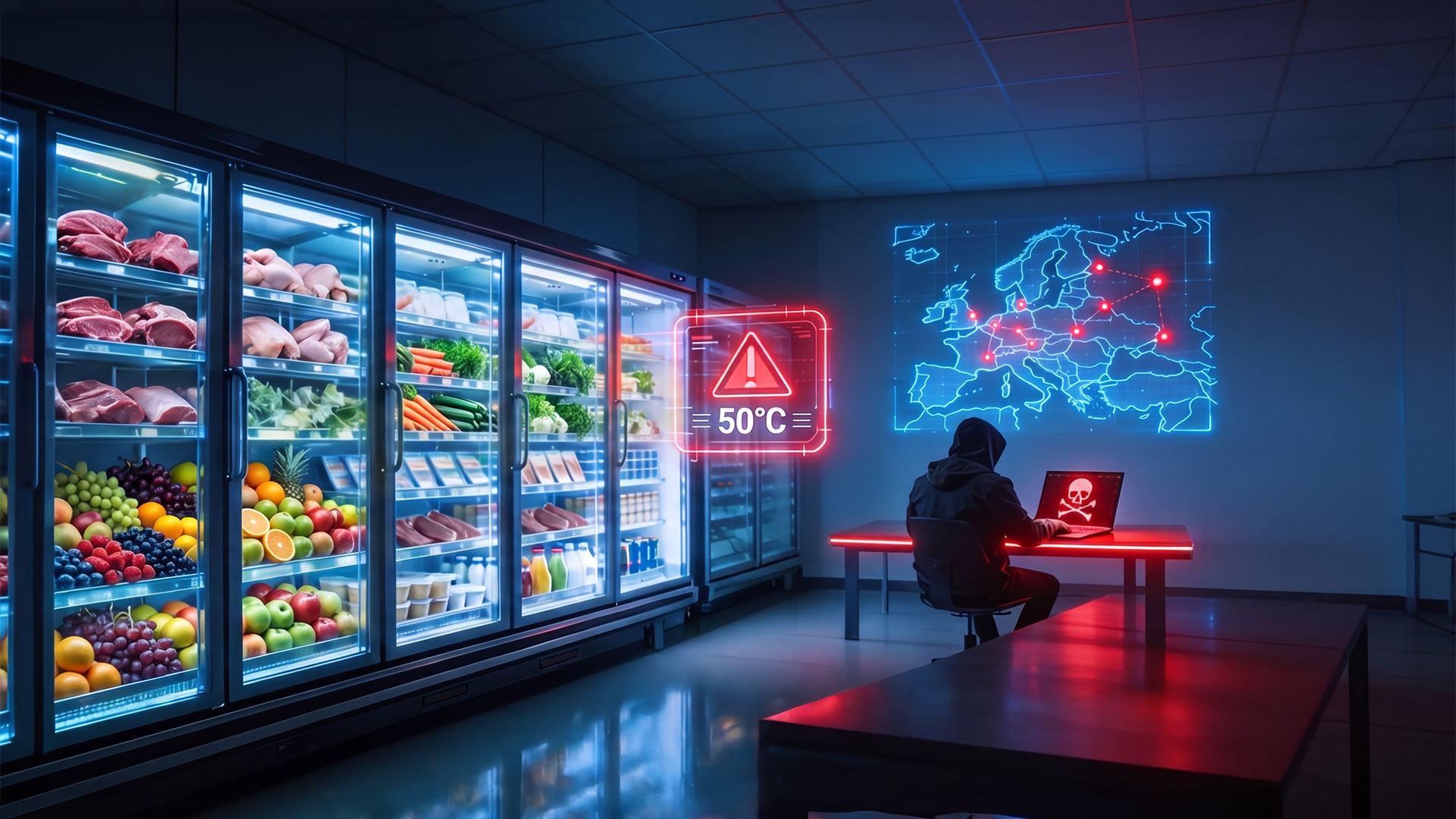
In mid-October, refrigeration equipment at supermarkets across France was remotely manipulated, with some units reaching 50°C within hours. About 180 Intermarché and Netto stores were affected, and fires were reported. A second wave on November 2 spread to Belgium, Luxembourg, Sweden, Ireland and other countries, hitting 15 Carrefour stores in Belgium, 13 SuperValu stores in Ireland and an IKEA store in Belgium. Belgian refrigeration maker Sabcobel said the attackers switched units into defrost mode, and in some cases appeared to exploit equipment operating over insecure network connections.
The attacks then reached critical healthcare infrastructure: the French blood agency EFS said the temperature of a refrigerated blood-storage room was set to 110°C; staff intervened in time and no damage occurred. Reuters also reported that refrigeration failures at U.S. military bases in August are being investigated by the Pentagon as a suspected cyberattack. The EU has said these are not isolated incidents.
(b) PHP2Shell: a critical PHP flaw sends websites worldwide scrambling
On October 21, the PHP team patched two critical vulnerabilities (CVE-2026-109618 and CVE-2026-109619), both scored 9.2, that could allow unauthenticated remote code execution. Palo Alto Networks estimated more than 20 million instances may be exposed, and Amazon's threat intelligence team detected exploitation attempts as early as October 17, four days before public disclosure. Banks, airlines, railways and government websites in Europe briefly suspended services. PHP 8.1 and older are end-of-life and receive no regular official updates, leaving them at greater risk.
2. Lionic NGFW: A Security Filter at the Network Edge
Both incidents share a pattern: attackers target systems that cannot be updated in time, or cannot be updated at all, such as connected refrigeration controllers, industrial equipment and websites running older PHP versions. Even organizations that know they should patch are often held back by downtime risk, aging equipment or end of vendor support.
Lionic's Next-Generation Firewall (NGFW) is deployed at the network edge as a security filter, inspecting traffic in real time to block hackers, viruses and malicious web attacks.
(a) How it protects, and what sets it apart
- Real-time network-layer filtering: identifies and blocks malicious traffic, viruses and malicious web content before it reaches servers or devices.
- Virtual patching: for systems that are unpatched or cannot be updated immediately (such as older PHP sites, industrial and IoT equipment), known-vulnerability attacks are blocked at the network layer, buying time for proper patching.
- In-house core technology: Lionic develops its security technology independently.
- Broad applicability: suited to SMEs, factories and OT/industrial control environments, and licensed to telecom operators for security services for home users and SMEs.
Lionic stresses that an NGFW does not replace patching, but provides a critical buffer until patches are in place.
(b) About Lionic
Lionic Corp. is a network security company listed on Taiwan's Emerging Stock Market (stock code: 7943). Its core offerings are NGFW products and security technology licensing, with its largest customers in the United States and Japan.
(c) Contact
Lionic Corp. Contact:
[Name / Title] : Andy Lu / Business Manager
[Phone] : 886-3-5789399 ext. 288
[Email] : andy.lu@lionic.com
Website: [URL] www.lionic.com
Related Tags
Share This Article
Table of Contents
Related News

News
LIONIC Responds to Critical PHP2Shell Vulnerabilities Providing Virtual Patching Protection Services
2026-10-22
Lionic Showcases Smart Manufacturing Cybersecurity Solutions at SEMICON Taiwan 2026
2026-09-01
Lionic Applauds IP Dream’s Remarkable Success: 160%+ CAGR in Cybersecurity Revenue
2025-03-18
Countermeasures Against CrazyHunter Ransomware Attack
2025-03-03