
The Enterprise Checklist for Granular Application Traffic Shaping in 2026
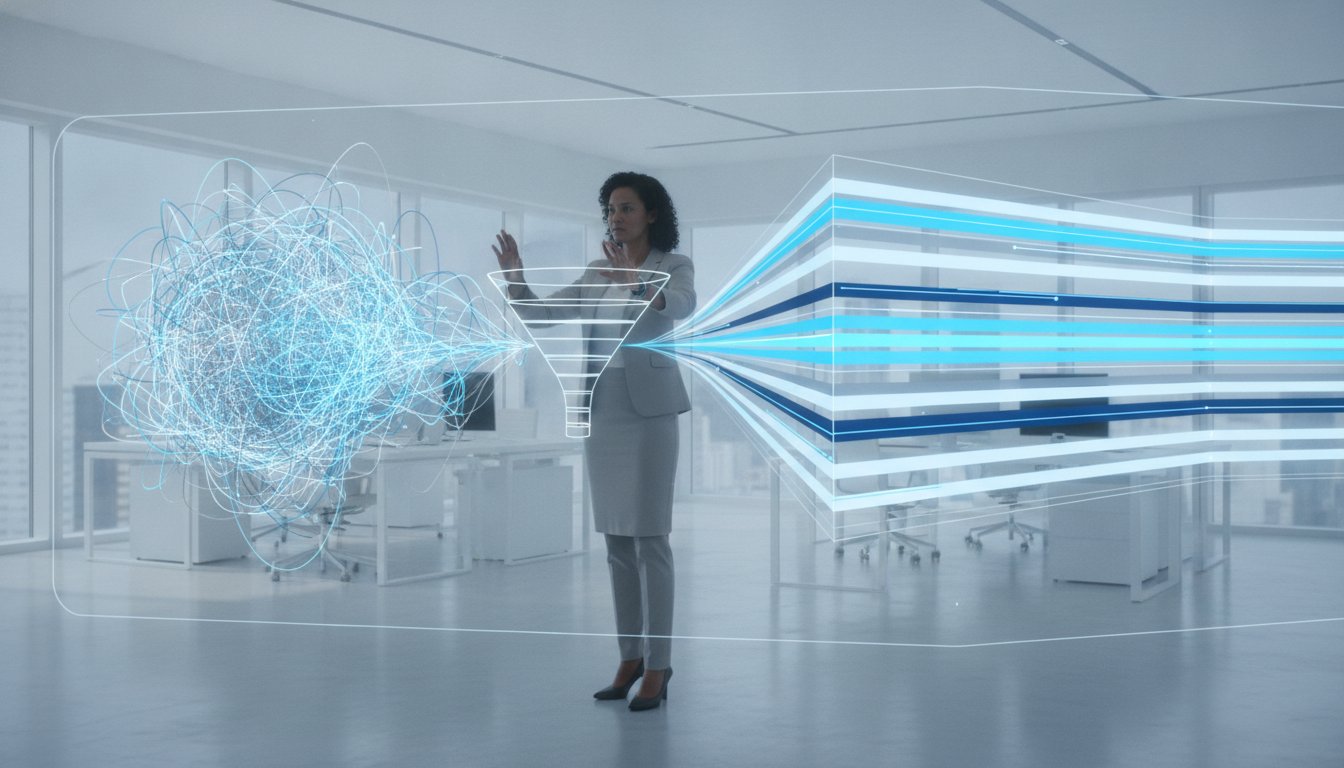
What if your network's most sophisticated filters are currently blind to nearly half of your enterprise traffic? As protocols like QUIC and DNS-over-HTTPS (DoH) become the standard, traditional port-based controls have rendered themselves obsolete. You've likely watched critical VoIP sessions stutter while non-essential background updates consume your bandwidth, making granular application traffic shaping a necessity rather than a luxury.
It's a frustrating reality for IT leaders who demand absolute precision. This guide provides a professional framework to regain control, ensuring your business-critical SaaS tools receive the priority they require. By mastering these complexities, you'll secure performance, reduce costs, and maintain visibility. We'll examine the technical requirements for identifying encrypted flows, the impact of the new IEEE 802.1ASed-2026 standards, and a step-by-step checklist for optimizing your application-layer traffic in 2026.
Key Takeaways
- Understand the evolution from legacy port-based filtering to sophisticated Application Visibility and Control using Layer 7 deep packet inspection.
- Implement a structured framework for granular application traffic shaping that identifies, audits, and prioritizes traffic into distinct tiers of business value.
- Integrate real-time security intelligence and global threat maps to automate the identification and throttling of non-essential or malicious network activity.
- Leverage agentless device fingerprinting to maintain precise control over IoT and remote work hardware without the overhead of invasive endpoint software.
Table of Contents
- The Foundation of Granular Application Traffic Shaping
- Implementation Checklist: Designing Your Shaping Strategy
- Future-Proofing Traffic Shaping with Advanced Intelligence
The Foundation of Granular Application Traffic Shaping
Modern network management has evolved beyond the blunt instruments of the past. Granular application traffic shaping represents the shift from managing simple packets to governing complex digital behaviors. While traditional Quality of Service (QoS) prioritizes traffic based on IP addresses or port numbers, it lacks the precision required for a cloud-first ecosystem. True control requires Application Visibility and Control (AVC). This framework operates at Layer 7, identifying patterns, classifying flows, and enforcing policies based on specific software signatures rather than relying on unreliable metadata.
Legacy systems often fail because modern applications are designed to bypass static filters. Port-hopping and dynamic assignment make port-based shaping ineffective. If a firewall only sees generic traffic on port 443, it cannot distinguish between a critical Microsoft Teams call and a non-productive social media stream. Deep Packet Inspection (DPI) serves as the essential prerequisite here. It's the intelligence layer that decodes packet headers and payloads to reveal the application's true identity, providing the data needed for informed bandwidth allocation.
The Visibility Gap: Why Identification Matters
The rise of encrypted protocols like QUIC and DNS-over-HTTPS (DoH) creates a significant visibility gap. These protocols mask traffic patterns that traditional filters once relied upon. To maintain accuracy, enterprises must utilize a robust application signature database. This database acts as a reference library, allowing the network to recognize encrypted flows without the latency of full decryption. High-performance solutions like the Dual-Ark UTM-16 leverage proprietary DPI technology to close this gap. It ensures that traffic shaping policies remain effective even as encryption standards evolve, maintaining the structural integrity of your network environment.
Implementation Checklist: Designing Your Shaping Strategy
Transitioning from visibility to enforcement requires a methodical framework. Successful granular application traffic shaping begins with a comprehensive network audit. You must identify current application usage patterns and isolate bandwidth bottlenecks before applying restrictive policies. Once you establish this baseline, classify applications into priority tiers: Business-Critical (ERP, VoIP), Productive (Email, CRM), Non-Essential (Social Media), and Malicious (Unauthorized VPNs).
After classification, define specific shaping parameters. This includes setting guaranteed minimum bandwidth for critical services, maximum caps for non-productive traffic, and burst allowances for occasional surges. Finally, integrate device-level intelligence. A robust strategy distinguishes between a dedicated VoIP phone and a personal mobile device, ensuring policies account for the hardware source rather than just the application type.
Technical Requirements for Effective Shaping
Shaping logic can be resource-intensive. It's vital to evaluate the performance impact on your gateways to prevent new bottlenecks. High-performance security stacks, such as the Lionic Tera UTM-12, are designed to support real-time traffic classification at line rate without compromising throughput. This ensures that your control layer doesn't become a point of failure during peak demand.
Establish a monitoring feedback loop. Use real-time network telemetry to adjust policies as application behaviors change. If you're ready to refine your network architecture with precision intelligence, you can consult with our technical team for a tailored deployment plan that matches your specific traffic profile.
Future-Proofing Traffic Shaping with Advanced Intelligence
The evolution of network management in 2026 shifts from static configurations to dynamic, automated responses. Advanced granular application traffic shaping now integrates real-time threat maps and global security intelligence to adjust bandwidth on the fly. This intelligence-driven approach ensures that emerging threats are identified and automatically throttled before they impact system-wide performance. By adopting a "Zero Trust Shaping" model, enterprises allocate resources based on the continuous verification of both the application identity and the specific user device. Trust is never assumed; it is verified through constant telemetry.
Nuanced control requires high-performance hardware capable of deep packet inspection at scale. The Dual-Ark UTM-16 provides the necessary processing power to handle these complex calculations without introducing latency. This hardware enables sophisticated agentless device fingerprinting. It allows administrators to implement policies that restrict high-bandwidth firmware updates for IoT devices during peak business hours. Simultaneously, it maintains absolute priority for critical executive workstations and cloud-based communication tools, ensuring a seamless user experience across the entire distributed network.
Integrating Security and Performance
Security and performance are no longer separate silos. When the system detects malicious traffic patterns, it triggers immediate shaping actions to isolate the threat. This prevents lateral movement and data exfiltration without dropping legitimate packets. There is also a powerful synergy between web content filtering and traffic shaping. By combining these layers, the perimeter becomes a sophisticated filter that protects against productivity loss and cyber threats simultaneously. This integration maintains a high-performance environment for all authorized users while securing the network from the core to the edge.
Securing Your Network Performance for 2026 and Beyond
Mastering modern network traffic requires moving beyond simple bandwidth limits to embrace a strategy of absolute precision. DPI-powered Application Visibility and Control provides the necessary clarity to identify encrypted flows that traditional filters miss. By integrating real-time threat intelligence and deploying high-performance Tera or Dual-Ark hardware, your organization maintains a sophisticated balance between security and throughput. Implementing a framework for granular application traffic shaping ensures that your business-critical tools remain responsive while non-essential data is appropriately managed. It's the difference between a congested link and a streamlined, high-speed environment. You now have the strategic roadmap to transform your network into an intelligent, high-performance ecosystem that adapts to the demands of the future.
Explore Lionic’s Next-Generation Firewall Solutions for Granular ControlTake the next step in optimizing your digital infrastructure with confidence and technical clarity.
Frequently Asked Questions
What is the difference between traffic policing and traffic shaping?
Traffic policing drops excess packets immediately when they exceed a defined rate, often causing retransmissions and jitter. In contrast, traffic shaping buffers excess traffic in a queue to smooth out bursts and ensure a steady flow. Shaping is generally preferred for sensitive applications because it manages bandwidth more gracefully, providing a predictable and stable user experience without the harshness of packet loss.
How does granular traffic shaping handle encrypted traffic like HTTPS or QUIC?
Modern solutions utilize advanced Deep Packet Inspection (DPI) and extensive application signature databases to identify traffic patterns without needing full decryption. By analyzing handshakes, packet sizes, and timing behaviors, the system classifies the flow with high accuracy. This allows for granular application traffic shaping across encrypted protocols like QUIC or DoH while maintaining data privacy and meeting regulatory requirements.
Can I apply traffic shaping policies to specific devices instead of just applications?
Yes, by leveraging agentless device fingerprinting, you can create policies that recognize the hardware identity. This allows you to prioritize a corporate workstation over a personal mobile device even if they access the same SaaS tool. Combining device identity with application data creates a multi-dimensional control plane, ensuring that your most important assets always receive the necessary bandwidth during peak congestion.
Does implementing deep packet inspection for traffic shaping slow down my network?
It won't slow down the network if you utilize high-performance hardware designed for Layer 7 analysis. Specialized gateways perform granular application traffic shaping at line rate using dedicated processing cores to eliminate latency. While software-only solutions might struggle with the computational load of deep packet inspection, enterprise-grade appliances ensure that visibility and control don't come at the expense of throughput or speed.